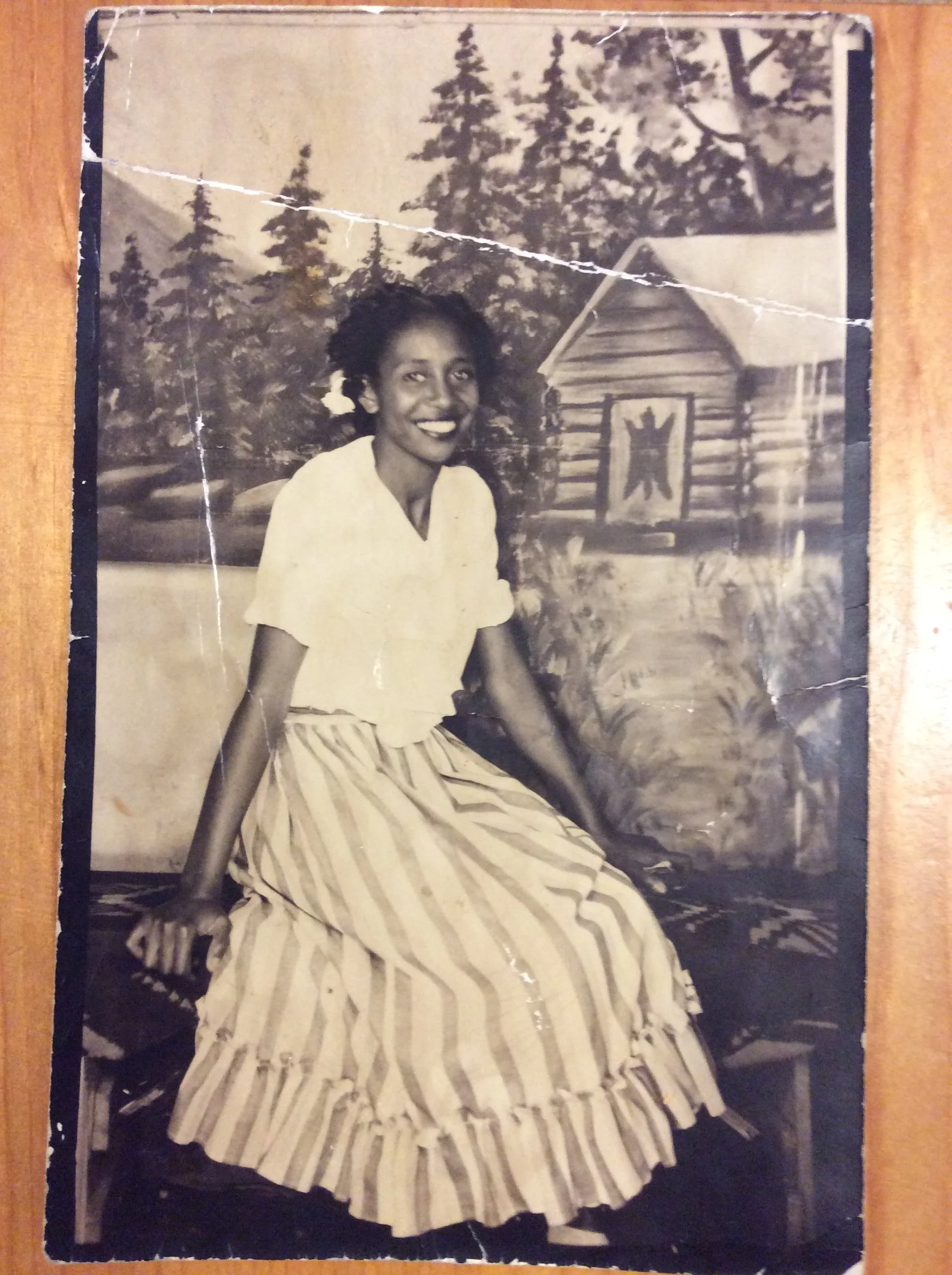
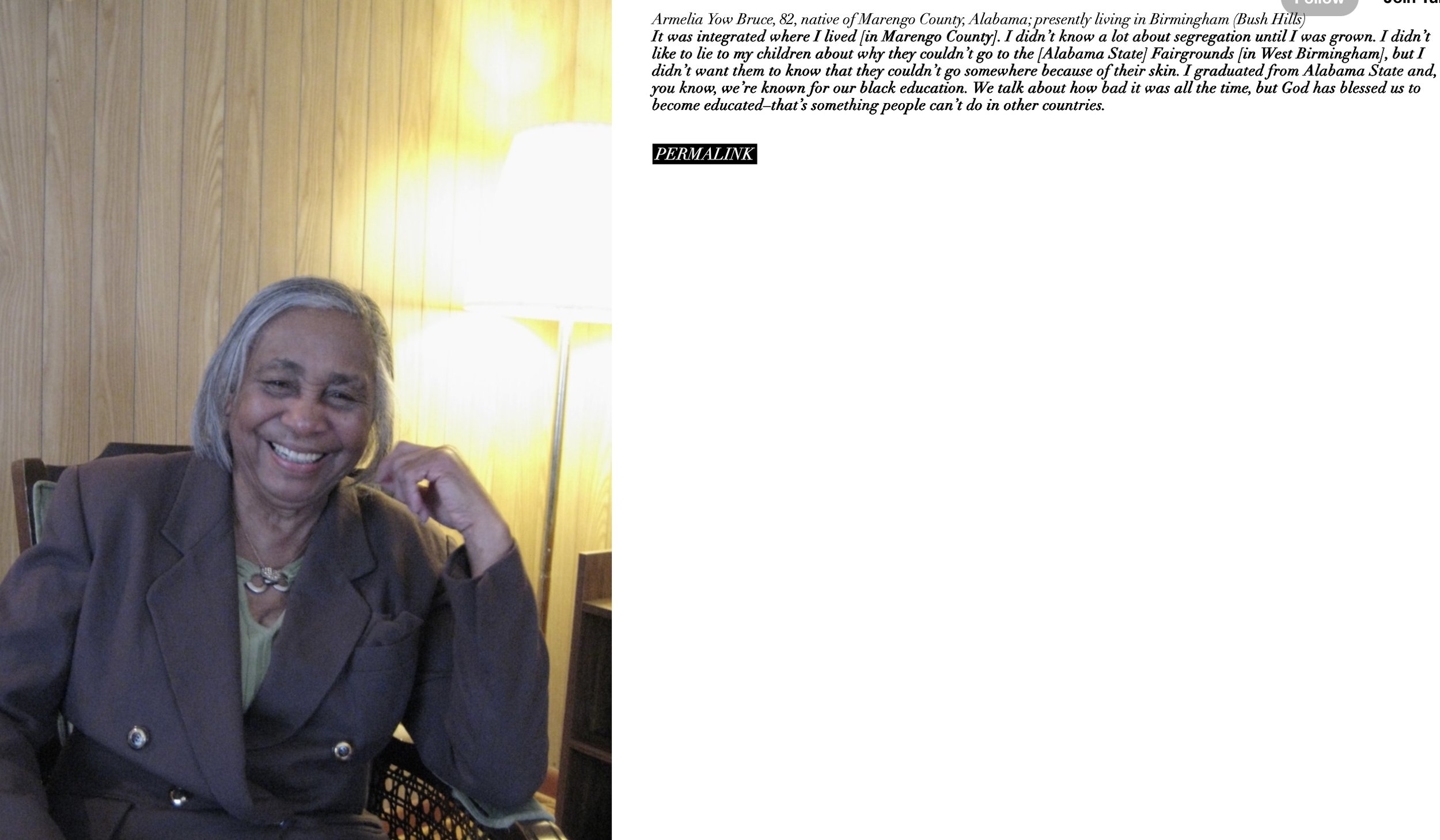
In this interview, Armelia reflects on growing up in Marengo County and the friendships she carried with her throughout her life.
Read Armelia’s Interview →
Meet Armelia
The lady who inspired
The Lady of Kimbrough Court
Armelia Yow Bruce was born in Dayton, Alabama, on May 15, 1926 and passed away on August 13, 2022 at 96 years old. I’m grateful I had her for so long. She was a trailblazer, a wife, a mother of five, and the best grandmother a girl could ask for.
Most of my memories of her involve food. She was an amazing cook, and if she knew we were coming, there was always food on the stove and a cake in her cake plate. I have that cake plate now and often use her recipe to make her pound cake. My mom still won’t let me share the recipe just yet.
Growing up, I listened to stories about her life on Papa’s 100-acre farm, attending boarding school at Linden Academy, and the marriage Papa arranged for her mother. Her stories fascinated me because they were so different from what I had learned in school about Black life in the Jim Crow South.
The History I Wasn’t Taught
The more I researched my grandmother’s stories, the more I realized her life wasn’t an exception.
As a child, I was taught a version of Jim Crow history dominated by poverty, segregation, violence, and struggle. Those truths matter, but they didn’t resemble the stories my grandmother told me about her own childhood.
As I researched her memories, I began finding pieces of a Black Southern life I had rarely encountered in the classroom. My grandmother grew up on land her family owned. She attended Linden Academy, a boarding school. Reverend Ralph Abernathy attended the same school, and his family owned more than 500 acres of land.
The more I learned, the more I understood that my grandmother’s story wasn’t necessarily unique. It was simply a story I hadn’t been told.
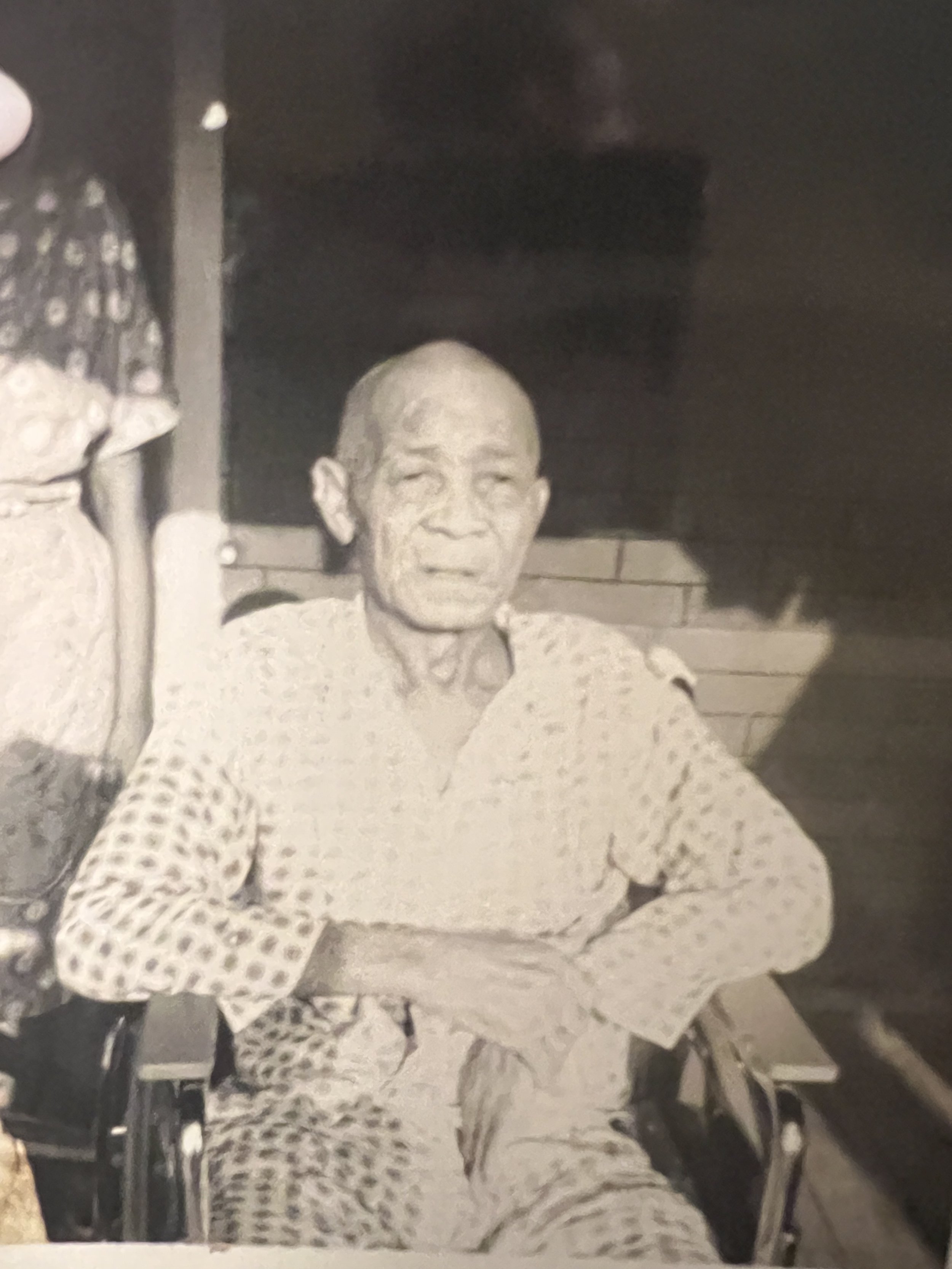
Doss Kimbrough, my great-great-grandfather and the inspiration for Papa in The Lady of Kimbrough Court.
Armelia in Her Own Words
Years before I began writing her story, my grandmother told some of it herself.
Marengo County was integrated, and my grandmother grew up in a community of both Black and White families. Years later, she spoke about her childhood in an interview I discovered about her and a group of her lifelong girlfriends.
The women called themselves Les Dames Charmantes, and I have so many memories of Grandma getting dressed for their club meetings. She never missed one. I love knowing that the friendships and community that surrounded her as a girl continued to be important throughout her life.
Her memories of growing up in Marengo County helped me understand a world that looked very different from the one I had learned about in school—and eventually helped shape the world of The Lady of Kimbrough Court.
I guess every woman needs her village.
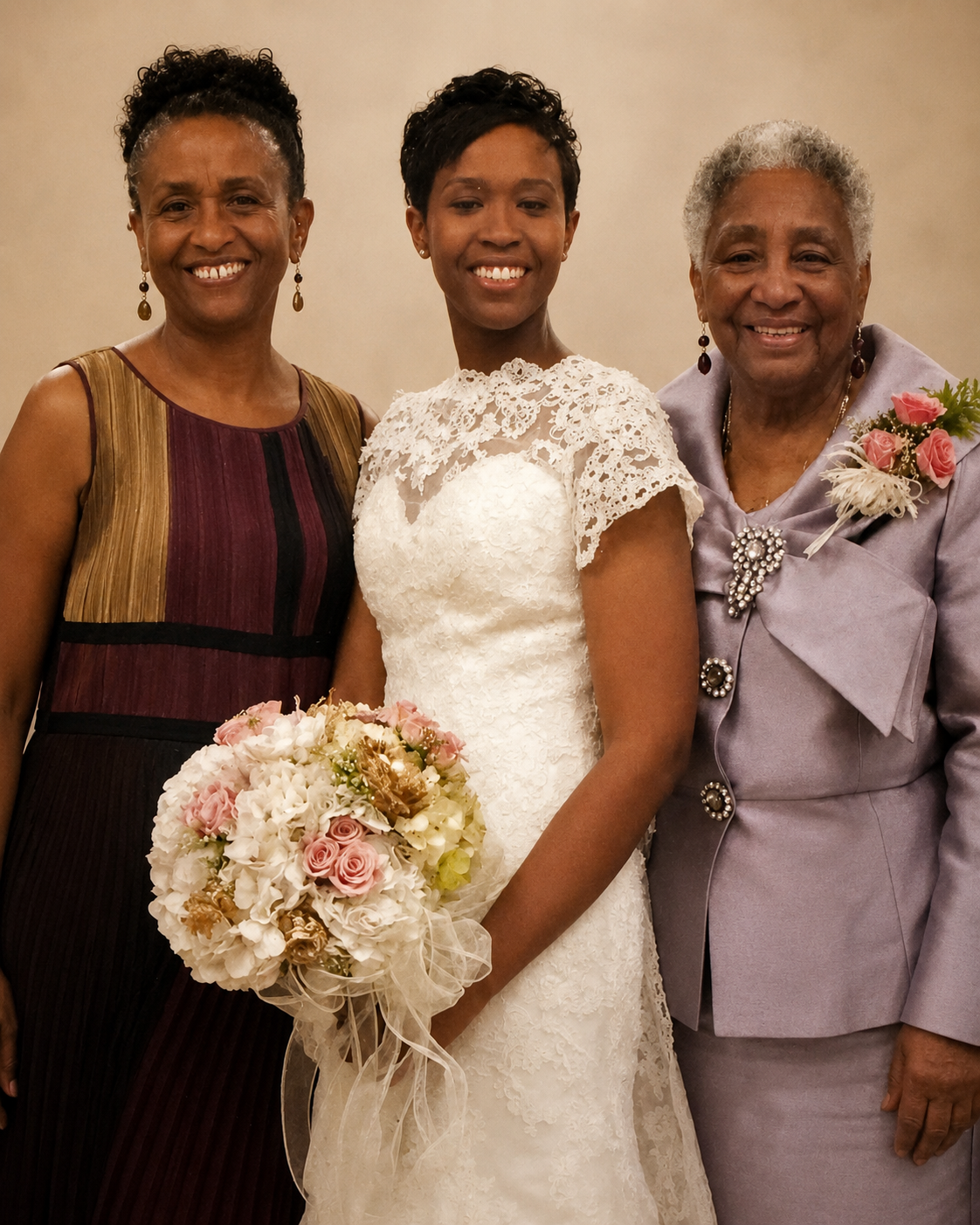
Mother. Daughter. Grandmother.
Three generations, one legacy.
From Her Life, a Novel
The Lady of Kimbrough Court
My grandmother’s stories stayed with me long after she told them. The more I researched her life, the more I wanted to preserve the world she had described—not as a history lesson, but as a story.
Set in 1930s Alabama, The Lady of Kimbrough Court follows young Armelia Yow, who believes everything she needs to know about becoming a lady can be learned from the family raising her on her grandparents’ 100-acre farm. But as the people she reveres reveal their flaws and long-held secrets threaten the family’s land and legacy, Armelia must decide for herself what it truly means to be a lady. The novel follows her coming-of-age journey as she navigates life at boarding school and her first love.
Though the Lady of Kimbrough Court is a work of fiction, it shares a history rarely encountered in books. My grandmother attended boarding school at Linden Academy, her grandparents owned land, and her mother entered an arranged marriage. These are not details I created to make the story more surprising. They are a part of my family’s history, and they challenge assumptions I absorbed about what Black life in the Jim Crow South was supposed to look like.
These discoveries have motivated me to preserve the stories that live around kitchen tables and in family memories but are absent from the larger historical record.
Family • Legacy • Womanhood
Food • Alabama’s Black Belt
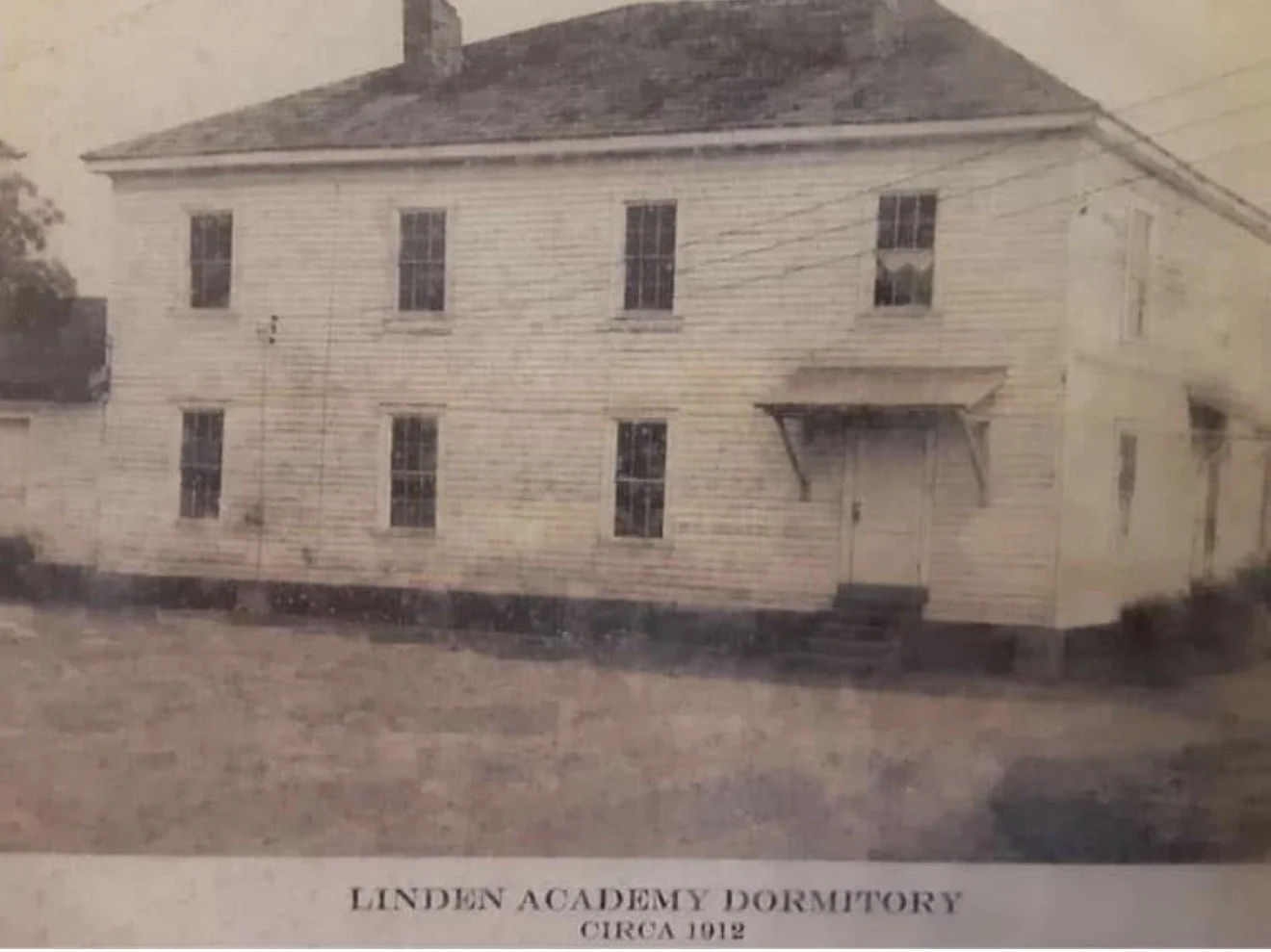
Linden Academy, Marengo County, Alabama
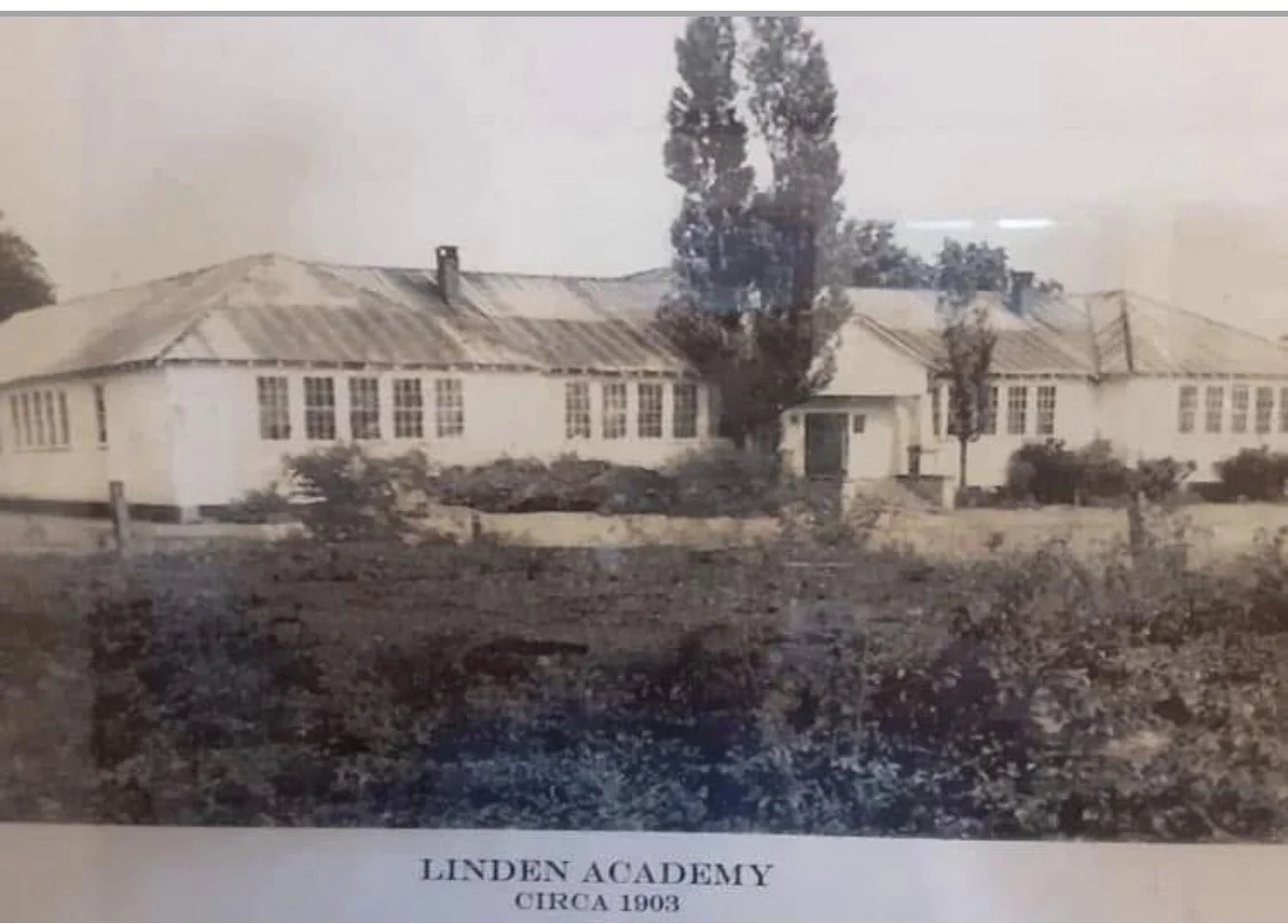
Photographs courtesy of Chan Smith, via Facebook, A Place Called Linden.